
The Platform Shift in Electric Mobility
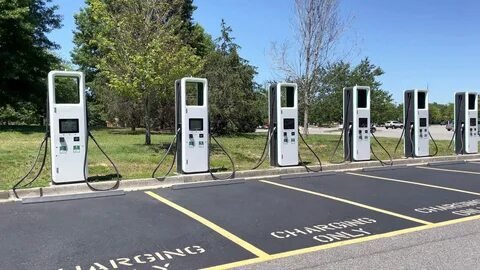
The electric vehicle revolution is entering its second, more decisive phase. While the first decade focused on vehicle technology and basic charging availability, we now face a systemic integration challenge that requires a fundamentally different approach. Recent market analysis reveals that successful EV adoption in the next five years will depend less on battery chemistry and more on charging intelligence—specifically, how seamlessly charging systems integrate with energy grids, payment platforms, and user lifestyles. At Fisher, we’ve recognized this paradigm shift and responded by developing not just hardware, but a comprehensive charging operating system. This intelligent platform approach, detailed at https://ev-wallbox.com, represents the next evolution in EV infrastructure: where charging stations become interconnected nodes in a responsive, efficient, and monetizable energy network.
The Intelligence Imperative: Beyond Basic Connectivity
Data as the New Electricity
The most significant transformation in EV charging isn’t visible in hardware specifications—it’s in the data ecosystem that surrounds each charging session. Modern charging infrastructure generates valuable operational intelligence with every connection: energy consumption patterns, grid load impacts, user behavior profiles, and maintenance requirements. Our approach centers on capturing, analyzing, and acting upon this data through our integrated software platform, creating what we term “Smart Charging as a Service.” This service layer transforms charging from a transactional activity into a continuously optimized system that learns and adapts.
Interoperability as Competitive Advantage
In a fragmented market with multiple standards and protocols, true intelligence requires seamless interoperability. We’ve engineered our systems to communicate fluently across the entire ecosystem: with vehicle telematics through ISO 15118, with grid management systems through OpenADR, and with payment platforms through standardized APIs. This commitment to open architecture ensures that our solutions don’t create proprietary silos but instead enhance the value of existing infrastructure investments. The result is charging systems that become more valuable as they connect to more networks—a classic network effect applied to energy infrastructure.
Our Architectural Framework: Layered Intelligence
Hardware Layer: Engineered for Reliability and Sensing
At the foundation of our system is hardware designed for dual-purpose functionality: energy delivery and data collection. Each Fisher charging unit incorporates multiple sensing systems that monitor far more than basic electrical parameters. Our proprietary monitoring includes:
- Component health tracking that predicts maintenance needs before failures occur
- Environmental sensing that adjusts performance based on temperature, humidity, and weather conditions
- Usage pattern analysis that identifies optimal scheduling based on historical data
- Grid quality monitoring that detects and responds to voltage fluctuations or disturbances
This rich sensor data creates a continuous feedback loop that informs both immediate operational decisions and long-term system improvements.
Software Layer: The Intelligence Engine
Our cloud-based management platform serves as the central nervous system for charging networks of any scale. Unlike basic monitoring software, our platform employs layered intelligence:
- Operational Intelligence: Real-time monitoring, automated diagnostics, and remote management capabilities that reduce on-site service requirements by up to 60%.
- Business Intelligence: Advanced analytics on utilization patterns, revenue optimization, and customer behavior that inform pricing strategies and expansion decisions.
- Grid Intelligence: Machine learning algorithms that predict charging demand, optimize for time-of-use rates, and enable participation in utility demand response programs.
- User Intelligence: Personalized charging experiences through mobile applications that learn individual patterns and preferences.
This comprehensive software approach transforms charging infrastructure from a collection of isolated devices into a coordinated system with collective intelligence.
Service Layer: Value-Added Applications
Building upon our hardware and software foundation, we’ve developed specialized service modules that address specific market needs:
- Fleet Management Suite: Comprehensive tools for commercial fleet operators, including route-based charging optimization, centralized billing, and compliance reporting
- Property Integration Package: Seamless integration with building management systems for multi-unit dwellings, office complexes, and retail centers
- Grid Services Module: Automated participation in utility programs for load balancing, frequency regulation, and renewable energy integration
- White-Label Platform: Customizable interface and branding options for partners wishing to offer charging under their own brand identity
Strategic Implementation: Phased Intelligence Deployment
Phase 1: Predictive Optimization (Current)
We are currently implementing advanced predictive algorithms across our installed base. These systems analyze historical usage data, weather patterns, local events, and grid conditions to forecast charging demand with increasing accuracy. For operators, this means:
- Dynamic power allocation that maximizes throughput without infrastructure upgrades
- Preemptive maintenance scheduling that minimizes downtime during peak usage periods
- Energy cost optimization that automatically shifts charging to the most economical times
- User experience personalization that anticipates individual needs and preferences
Phase 2: Autonomous Grid Integration (2024-2025)
Our development roadmap focuses on creating fully autonomous grid-responsive systems that require minimal human intervention. Key initiatives include:
- Self-organizing microgrids where clusters of chargers coordinate to balance local energy supply and demand
- Blockchain-enabled energy trading that allows peer-to-peer energy transactions between EV owners and local consumers
- Adaptive charging protocols that automatically adjust to grid conditions, renewable availability, and system priorities
- Cross-platform interoperability that enables seamless roaming and payment across different networks and regions
Phase 3: Cognitive Charging Ecosystems (2026+)
Looking further ahead, we are researching artificial general intelligence applications for charging infrastructure. This long-term vision includes:
- Self-optimizing networks that continuously improve their performance through reinforcement learning
- Integrated mobility-energy systems that coordinate charging with public transit, ride-sharing, and last-mile transportation
- Predictive infrastructure planning that uses simulation and modeling to optimize expansion strategies
- Carbon intelligence that automatically minimizes the carbon footprint of every charging session
Industry-Specific Solutions: Tailored Intelligence
Commercial Fleets: Operational Efficiency at Scale
For fleet operators, charging represents both a significant operational cost and a potential competitive advantage. Our Fleet Intelligence Platform addresses this dual challenge through:
- Route-based charging optimization that calculates optimal charging locations and times based on delivery schedules
- Battery health management that extends battery life through optimized charging patterns
- Total cost of ownership analytics that provides comprehensive visibility into energy, maintenance, and infrastructure costs
- Compliance automation that generates required reports for sustainability initiatives and regulatory requirements
Public Networks: Maximizing Utilization and Revenue
Public charging networks face unique challenges in balancing accessibility, profitability, and reliability. Our Public Network Platform delivers:
- Dynamic pricing engines that adjust rates based on demand, time, and location
- Multi-vendor roaming support that enables seamless cross-network charging experiences
- Real-time availability mapping that directs users to available stations, reducing congestion and frustration
- Performance benchmarking that compares utilization and profitability across locations and operators
Utility Partnerships: Grid Stability and Value Creation
For utility companies, EV charging represents both a challenge to grid stability and an opportunity for new services. Our Utility Integration Platform enables:
- Managed charging programs that shift load to off-peak periods without inconveniencing users
- Distribution system optimization that prevents transformer overloads through coordinated charging
- Renewable integration services that align charging with solar and wind generation patterns
- Grid investment deferral that maximizes existing infrastructure capacity through intelligent management
Global Deployment Framework: Intelligent Localization
Adaptive Regional Implementation
We recognize that effective charging intelligence must account for regional differences in grid architecture, market structures, and user behavior. Our adaptive localization framework includes:
- Grid topology awareness that optimizes charging based on local distribution system characteristics
- Regulatory compliance automation that ensures adherence to regional standards and requirements
- Cultural interface adaptation that tailors user experiences to local preferences and expectations
- Market structure optimization that aligns with local electricity pricing, incentives, and business models
Partner Ecosystem Development
Our platform approach extends beyond our own technology to include a growing partner ecosystem of complementary solutions:
- Energy management system integrations with leading building automation providers
- Payment processing partnerships with global and regional financial service providers
- Telematics integrations with vehicle manufacturers and fleet management companies
- Renewable energy connections with solar, wind, and storage system providers
Measuring Intelligence: Performance Metrics and Value Realization
Quantifying Operational Improvements
We’ve established clear key performance indicators that demonstrate the value of intelligent charging systems:
- Uptime improvement: Our predictive maintenance capabilities increase station availability to 99.2%
- Energy cost reduction: Smart scheduling and optimization typically reduce electricity costs by 15-30%
- Infrastructure utilization: Intelligent load balancing increases throughput by 40-60% without hardware upgrades
- User satisfaction: Personalized experiences and improved reliability increase customer satisfaction scores by 35%
Long-Term Value Creation
Beyond immediate operational improvements, intelligent charging systems create enduring value through:
- Future-proofing investments through software-upgradable hardware and adaptive capabilities
- Data asset creation that generates insights with increasing value over time
- Ecosystem positioning that establishes operators as leaders in the energy transition
- Brand enhancement through demonstrated commitment to innovation and sustainability
Implementation Pathway: From Assessment to Optimization
For organizations beginning their intelligent charging journey, we provide a structured implementation pathway:
- Infrastructure Assessment: Comprehensive evaluation of existing electrical infrastructure, usage patterns, and strategic objectives
- Phased Deployment Plan: Roadmap for gradual implementation that prioritizes high-impact opportunities
- Integration Architecture: Design for connecting charging systems with existing business and energy management systems
- Continuous Optimization: Ongoing monitoring, analysis, and improvement based on performance data and changing conditions
Conclusion: The Intelligence Advantage in EV Charging
The transition to electric mobility represents one of the most significant infrastructure transformations in modern history. Success in this transition will belong to those who recognize that charging infrastructure is not just about delivering energy, but about managing intelligence. The systems that will dominate the next decade won’t be those with the highest power ratings, but those with the deepest integration, the most adaptive intelligence, and the greatest ecosystem connectivity.
At Fisher, we’ve built our entire company around this intelligence-first philosophy. Our platform approach to EV charging creates systems that become more valuable with each connection, more intelligent with each charging session, and more indispensable with each passing year. We provide not just charging hardware, but the operating system for the future of electric mobility.
Explore our intelligent charging platform at https://ev-wallbox.com, where you can access interactive demonstrations, detailed technical documentation, and implementation case studies. Schedule a platform assessment with our intelligence specialists to develop a customized roadmap for transforming your charging infrastructure from basic utility to strategic advantage.
The future of electric mobility will be built on intelligence. With the right platform foundation, that future arrives sooner, works better, and creates more value for everyone involved.